

Innovation at Class24
Drone Project: Unleashing the Future of Technology
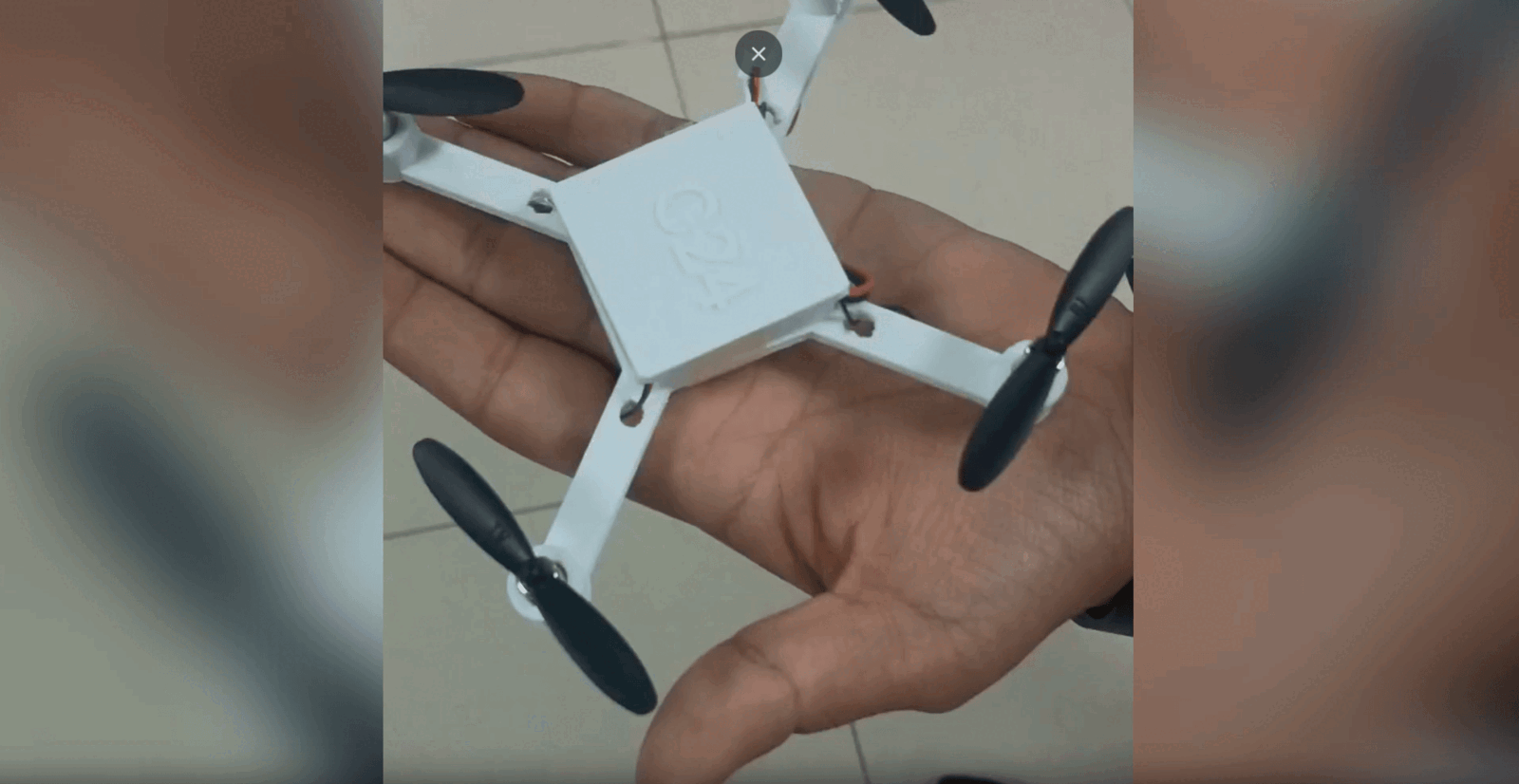
The Drone Project at Class24 Innovations offers students an immersive opportunity to explore the cutting-edge world of unmanned aerial vehicles (UAVs). Through hands-on experiences, students learn the science behind drones, from multirotor to fixed-wing and hybrid designs, and engage with real-world applications such as surveillance, agriculture, and disaster management. The curriculum covers key areas like aerodynamics, flight mechanics, and drone assembly, equipping students with essential skills in technology, engineering, and aerospace fields. This project prepares students for future careers in the rapidly evolving drone industry.
Read MoreClose
Drone Project
Unleashing the Future of Technology
The Drone Project at Class24 Innovations offers an exciting opportunity to explore cutting-edge technology in the field of unmanned aerial vehicles (UAVs). This year-long program is designed for students to engage with the latest advancements in drone technology, from basic building to advanced applications in real-world scenarios.
A Hands-On Learning Journey
Students learn about the technology behind drones, from multirotor UAVs to fixed-wing and hybrid designs, covering various applications such as surveillance, agriculture, and disaster management.
The curriculum includes assembling and operating drones, gaining practical skills in flight mechanics, aerodynamics, and real-world applications.
Key Learning Areas
- Aerodynamics & Flight Mechanics: Understanding the principles of flight and the technology behind drone stability.
- Hands-On Drone Assembly: Students build their own drones, learning about components like motors, ESCs, and flight controllers.
- Real-World Applications: Discover how drones are used in industries such as agriculture, defense, and logistics, as well as in search and rescue missions.
This project is designed to empower students with critical skills for careers in technology, engineering, and aerospace industries, preparing them for the future of unmanned aerial vehicle technology.
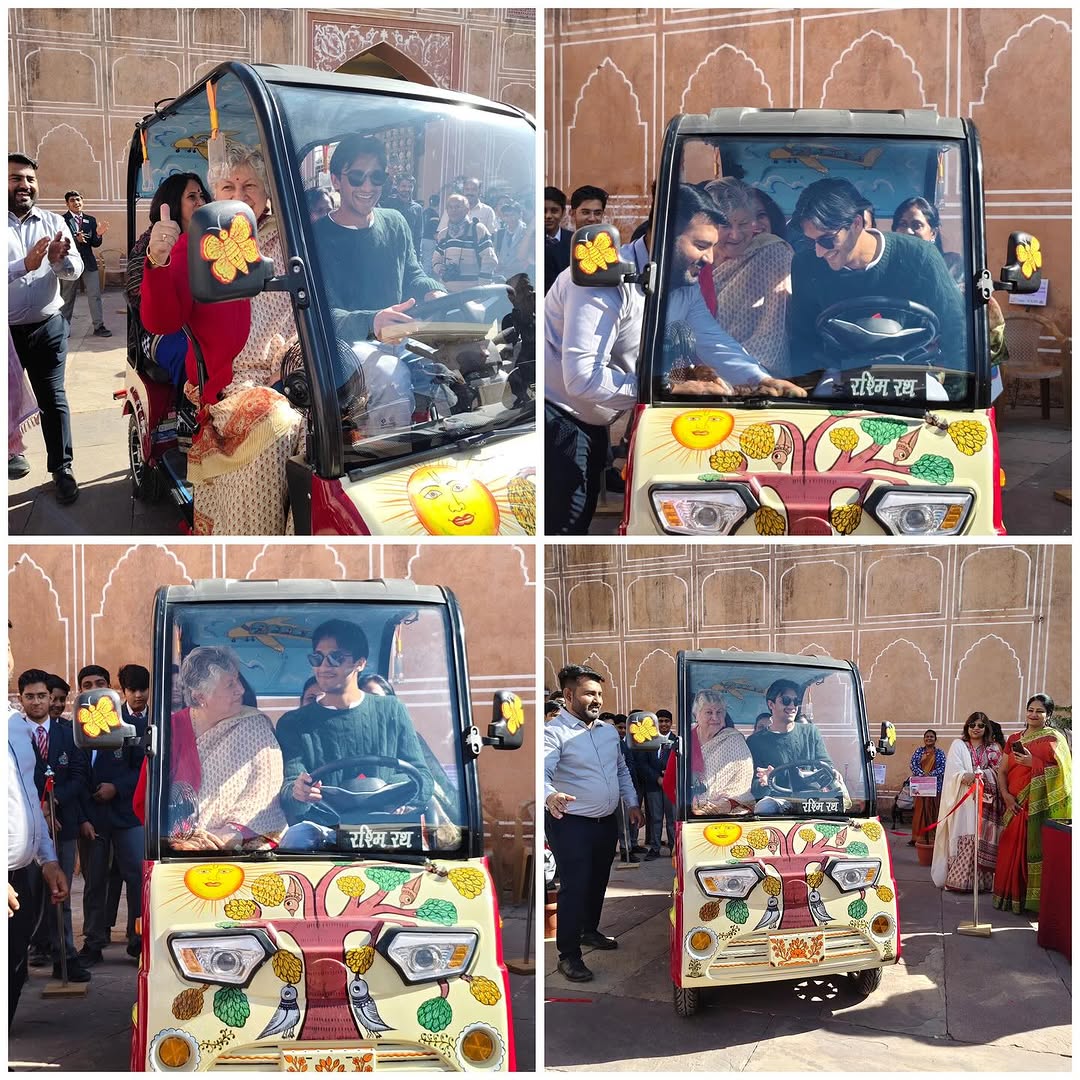
Rashmi Rath - Building a Sustainable Golf Cart from Scratch - A Stem Project
The palace is a large and historically significant building with multiple wings and floors, presenting significant challenges for elderly individuals and those with health conditions that limit their mobility. Due to its vast layout, moving from one section of the palace to another can be time-consuming and physically demanding, leading to discomfort, fatigue, and inaccessibility for these individuals. There is a need for an efficient, eco-friendly solution that allows people with limited mobility to navigate the palace easily and safely.
Read MoreClose
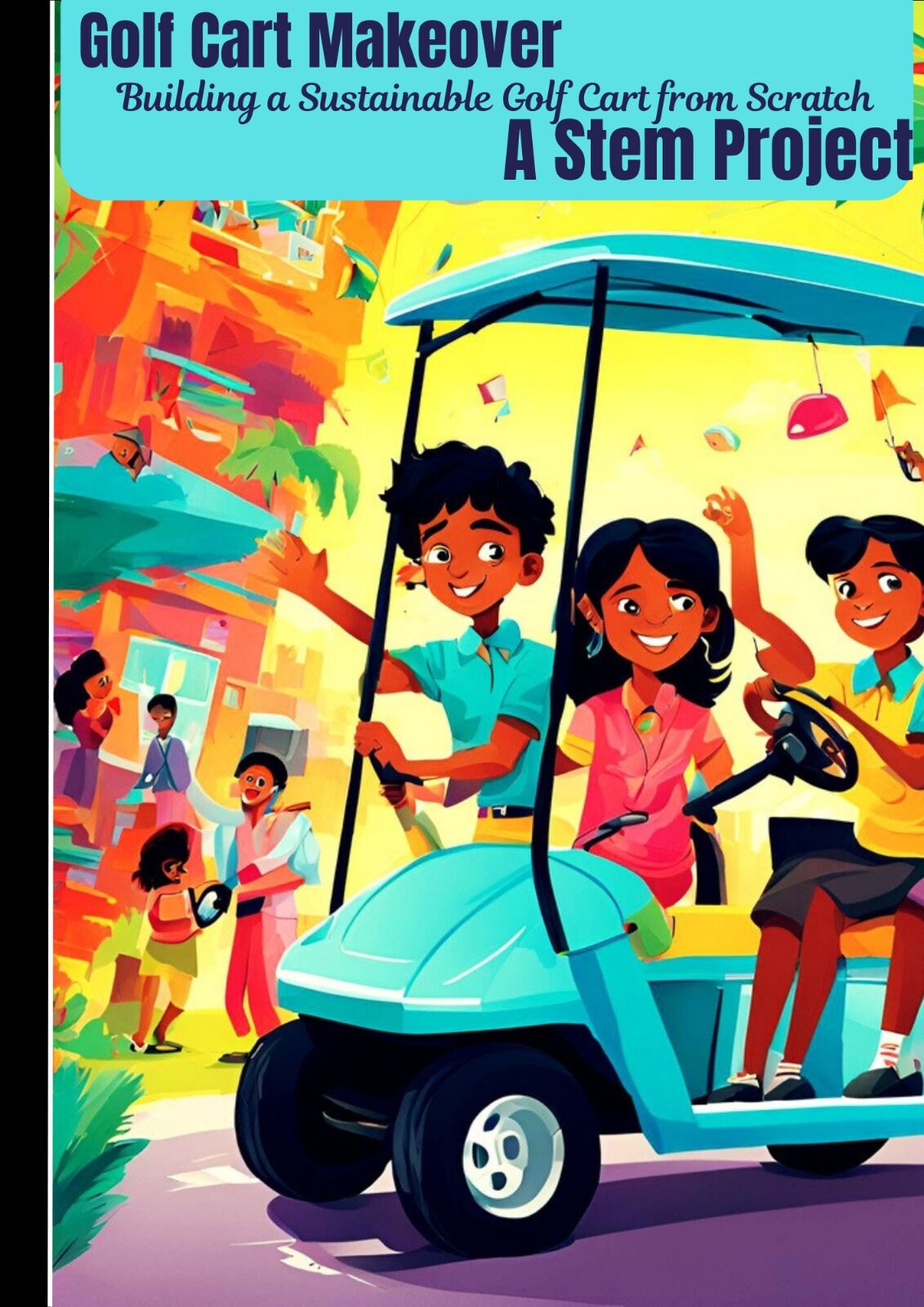
Golf Cart Makeover: Building a Sustainable Golf Cart from Scratch - A Stem Project
Acknowledgement
- Patron Smt. Diya Kumari Ji – Deputy Chief Minister of Rajasthan and Founder, The Palace School
- Advisory Ms Rama Dutt – Executive Trustee, MSMS II Museum Trust, Jaipur
- Concept and Guidance Mr Sandeep Sethi – Director Education, MSMS II Museum Trust, Jaipur
Sustainable Golf Cart Project – A STEM Initiative
Revolutionizing Accessibility at the City Palace, Jaipur
In an inspiring collaboration between The Palace School Jaipur and Class24, students undertook a STEM project to create an end-to-end solution for the mobility challenges faced by elderly and disabled individuals visiting the City Palace. This innovative project addresses the need for sustainable, inclusive, and efficient transportation, enhancing accessibility while preserving the heritage and environment of the palace.
The Problem: Enhancing Accessibility in a Vast Palace
The City Palace, a sprawling historical landmark, presents challenges for individuals with mobility limitations. With multiple wings and floors, navigating the palace can be time-consuming, physically demanding, and inaccessible for the elderly and those with health conditions.
The solution? An eco-friendly and inclusive transportation system to ensure that everyone can explore the palace comfortably and safely.
The Solution: Solar-Powered Golf Carts
Students developed an innovative Golf Cart Project, combining sustainability, accessibility, and technology to solve mobility challenges. Key features include:
- Solar-Powered Charging Station: A central station harnessing renewable solar energy to power the carts, ensuring environmentally responsible operation.
- Electric Golf Carts: Emission-free carts powered by electric batteries for quiet and sustainable transportation, preserving the serene atmosphere of the palace.
- Accessibility Features: Custom-designed carts with easy-entry mechanisms, comfortable seating, and space for assistive devices to cater to the needs of mobility-impaired visitors.
- Interactive Guidance System: An onboard navigation system to help users move seamlessly across the palace with minimal effort.
- Rest and Support Stations: Designated areas for breaks and quick support services to enhance comfort and safety during the visit.
The Process: A Journey from Concept to Innovation
Project Phases and Timeline
- Research and Conceptualization (Week 1-2)
- Extensive research on existing golf carts and their sustainable alternatives.
- Brainstorming sessions and design sketches by students and mentors.
- Design and Prototyping (Week 3-4)
- Creation of detailed blueprints and identification of resource materials.
- Development and testing of the first prototype for energy efficiency and strength.
- Testing and Evaluation (Week 5-6)
- Performance testing on speed, energy efficiency, and operational range.
- Iterative design improvements based on collected data.
- Final Construction and Presentation (Week 7-8)
- Assembly of the final golf cart design.
- Presentation of results, processes, and conclusions reached.
Future Prospects: Paving the Way for Sustainability
The Sustainable Golf Cart Project offers tremendous potential for the future:
- Innovations in vehicle design, materials, and performance can pave the way for compact, highly efficient, and customizable golf carts.
- Integration of solar charging stations to power both carts and mobile devices creates a truly eco-friendly energy solution, enhancing user experience.
This initiative not only addresses immediate accessibility concerns but also aligns with global efforts to promote sustainability and reduce environmental impact.
Why This Project Matters
The Sustainable Golf Cart Project represents a perfect blend of STEM education, heritage conservation, and sustainability advocacy. By engaging young minds in solving real-world problems, it fosters innovation, inclusivity, and environmental responsibility.
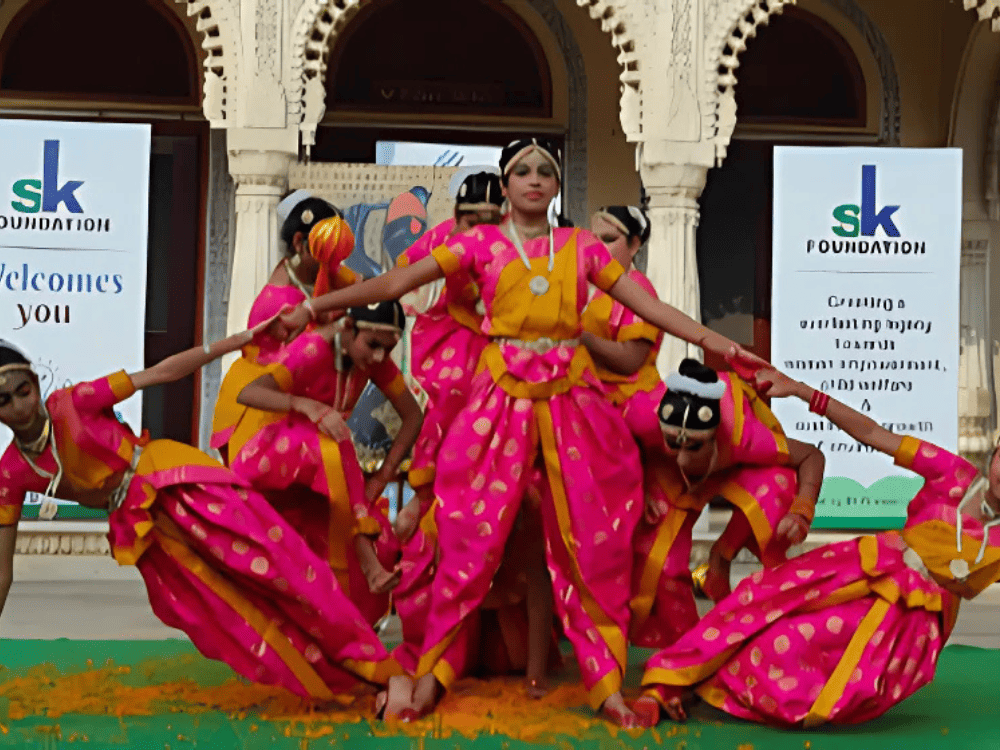
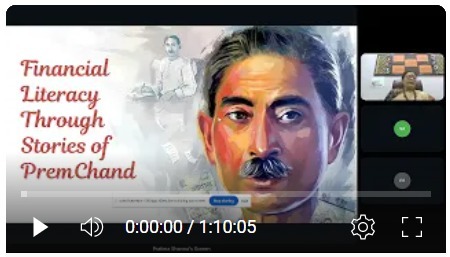
Financial Literacy Through Folk Art
Learning finance is fun when combined with the vibrant world of folk art. This unique initiative helps children understand money management, saving, and budgeting while appreciating traditional art forms.
Read MoreClose
Financial Literacy Through Folk Art
Financial Literacy through Folk Art:
- Number of schools participated: More than 180.
- Green Fields School, Maharaja Sawai Bhawani Singh School, Jammu Sanskriti School, Cygnus World School, DAV etc.
- 14 online training sessions conducted, attended by more than 10,000 teachers across India in over 200 schools.
- Financial Literacy Books being made for Class 1 to 10 to enhance financial and investment awareness among the students.
Blending Tradition with Modern Financial Education
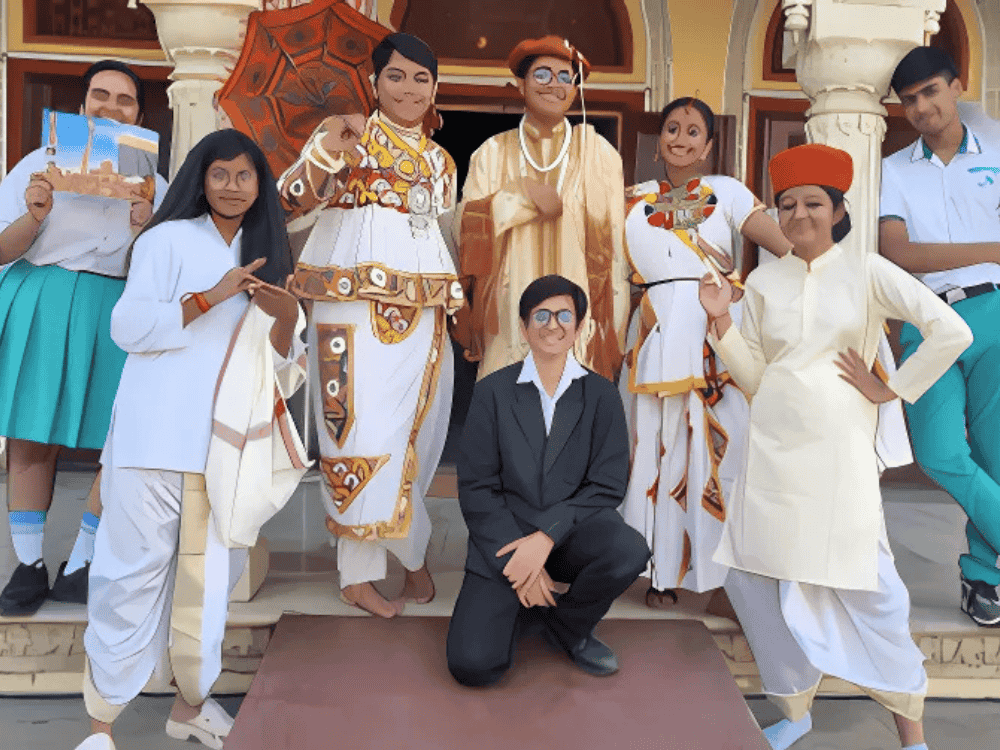
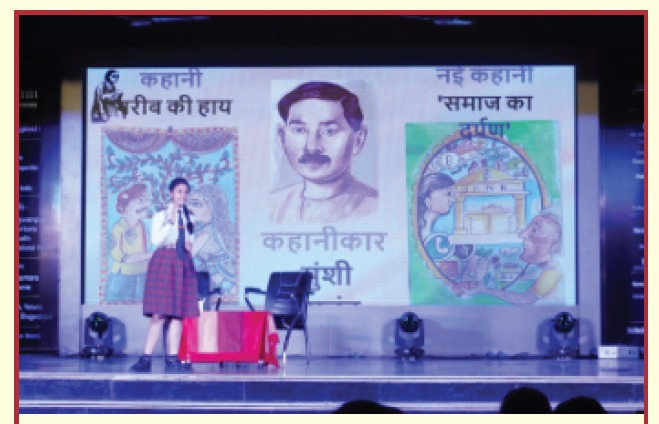
The Financial Literacy and Folk Arts project is a one-of-a-kind initiative that integrates financial literacy into education through the timeless charm of popular folk tales. Stories from the Panchatantra, Jataka tales, Aesop’s fables, Vikram & Betal, Akbar-Birbal, Sheikh Chilli, Mulla Nasruddin, Tenali Rama, and the works of literary legends like Munshi Premchand come alive through various folk arts of India.
This project goes beyond storytelling by also fostering entrepreneurship through the incubation of business plans enabling students to explore practical applications of financial skills.
Aligned with the National Education Policy 2020
In line with the vision of the National Education Policy (NEP) 2020, this program emphasizes key financial skills such as:
- Budgeting
- Saving
- Differentiating between needs and wants
Empowering Young Minds
Targeting primary and secondary grade students the project aims to introduce financial literacy at an early age, helping them:
- Navigate their financial futures responsibly
- Develop an awareness of potential frauds and scams
- Grow into financially savvy individuals
Objectives of Financial Literacy Through Folk Art
Empowering Students with Financial Wisdom Through Stories and Art
- Understanding Financial Basics: Introduce fundamental financial concepts like budgeting, saving, investment, and interest through relatable folk tales, making them easy to grasp and apply in daily life.
- Distinguishing Needs and Wants: Teach students to analyze scenarios in folk tales to differentiate between needs and wants helping them make smarter, more informed financial decisions.
- Appreciating the Value of Saving: Inspire students to value saving and investing by exploring narratives that showcase the long-term benefits of financial foresight, including concepts like compound interest.
- Learning from Characters’ Decisions: Evaluate the successes and failures of characters in folk tales to impart critical lessons on responsible financial behavior.
- Expressing Financial Concepts Through Art: Encourage students to creatively express financial ideas through folk art forms, fostering a deeper understanding of concepts via artistic interpretation and collaboration.
- Building Critical Thinking Skills: Engage students in discussions and activities that promote problem-solving and critical thinking by presenting hypothetical financial dilemmas based on folk tales.
- Exploring Cultural Values: Highlight how cultural values and practices depicted in folk tales influence financial behavior and decision-making, extending these lessons to their families and communities.
- Promoting Ethical Financial Practices: Reflect on the ethical aspects of financial decisions, teaching students the importance of honesty, integrity, and social responsibility through folk narratives.
- Connecting Heritage with Modern Learning: Foster an appreciation for the rich heritage of folk tales and classical Indian literature while linking their wisdom to contemporary financial concepts.
- Instilling Core Values: Develop students personal growth and financial literacy by instilling core values alongside practical financial skills, promoting ethical financial practices and responsible money management.
Why Financial Literacy Through Folk Art?
The National Education Policy (NEP) 2020 identifies financial literacy as a critical component for fostering multiple-skill formation among learners. With the rapid pace of technological advancements, today's younger generation faces increased exposure to financial risks making it essential to integrate financial education into the school curriculum.
In line with the National Education Policy (NEP) 2020, this initiative emphasizes values-based education while nurturing practical skills like wealth management and fraud prevention. By combining tradition with modern educational needs, the program fosters early financial literacy in primary and secondary school students, empowering them to become financially responsible individuals.
- Interactive Learning: Blends storytelling with practical lessons for better understanding.
- Cultural Connection: Preserves the essence of folk art while imparting essential life skills.
- Real-Life Impact: Builds a strong foundation for financial decision-making from an early age.
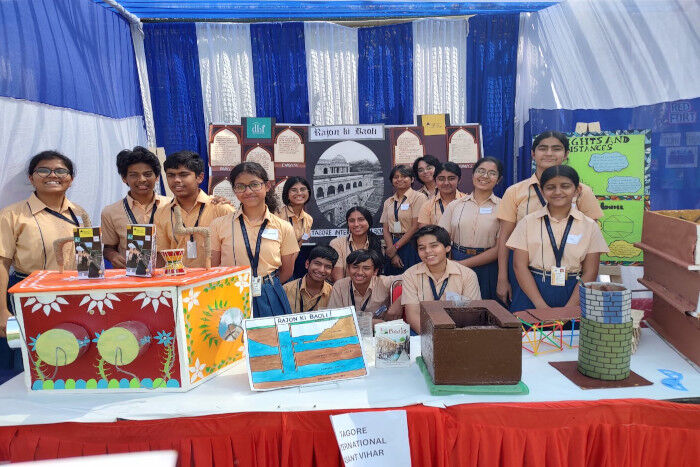
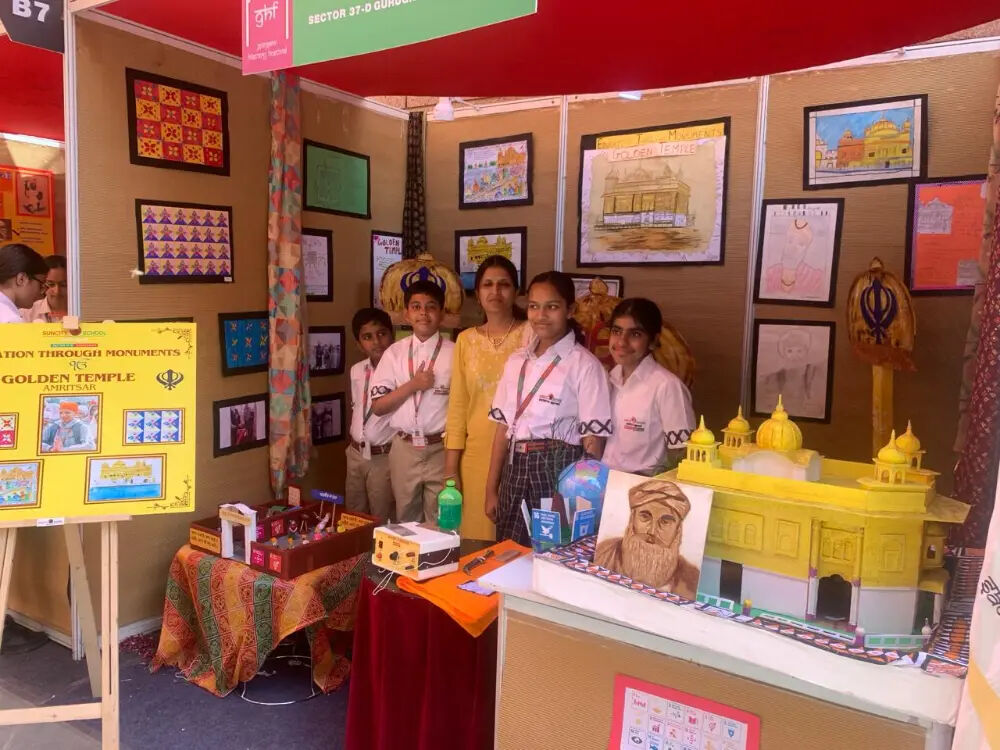
Education Through Monuments
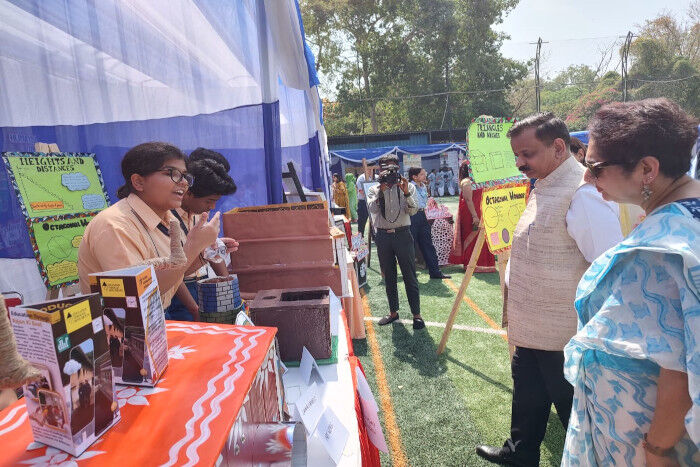
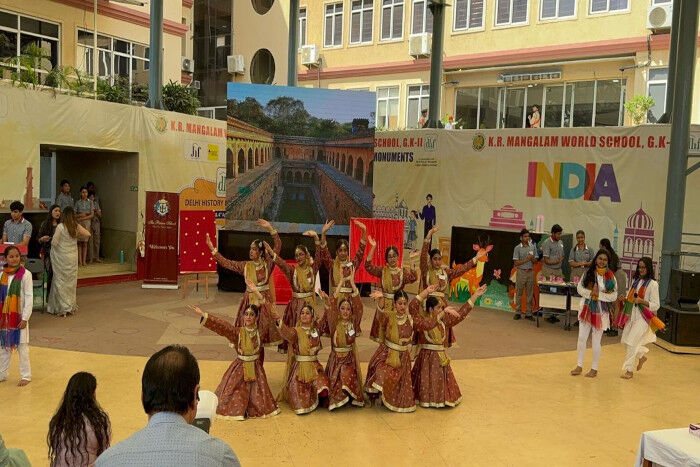
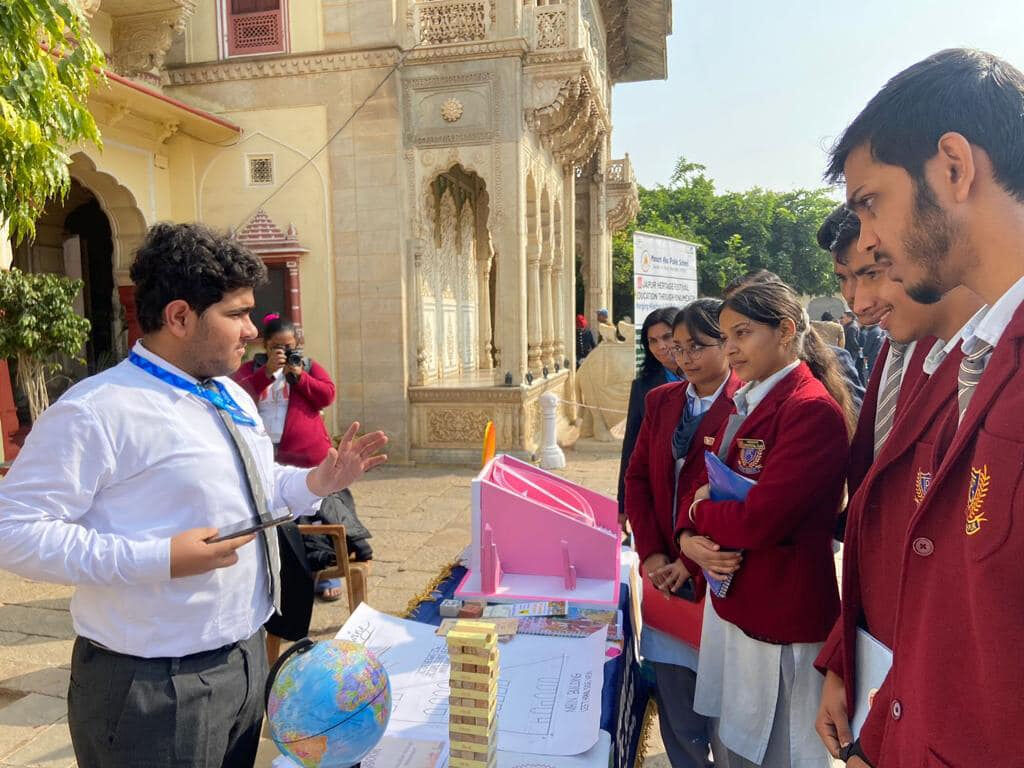
Explore history like never before! This initiative brings historical monuments to life through interactive workshops and storytelling. By combining history with technology, we inspire children to connect with their heritage in meaningful and educationally enriching ways.

Read MoreClose
Unlocking Knowledge Through Heritage
Education through Monuments:
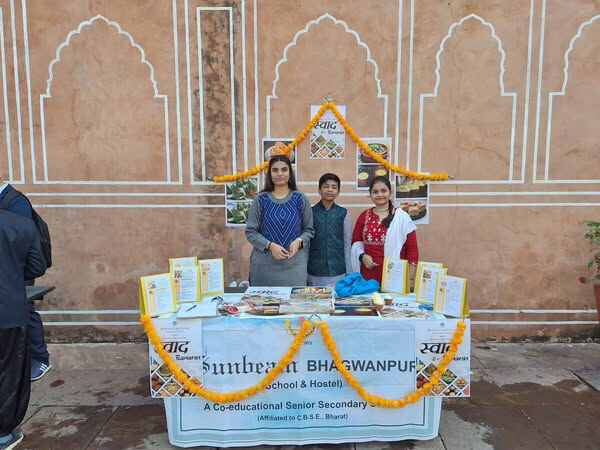
- Number of schools participated: More than 150.
- Sunbeam Group of Schools, RN Podar School, The Palace School, HDFC School, Delhi Public School, Tagore International School etc.
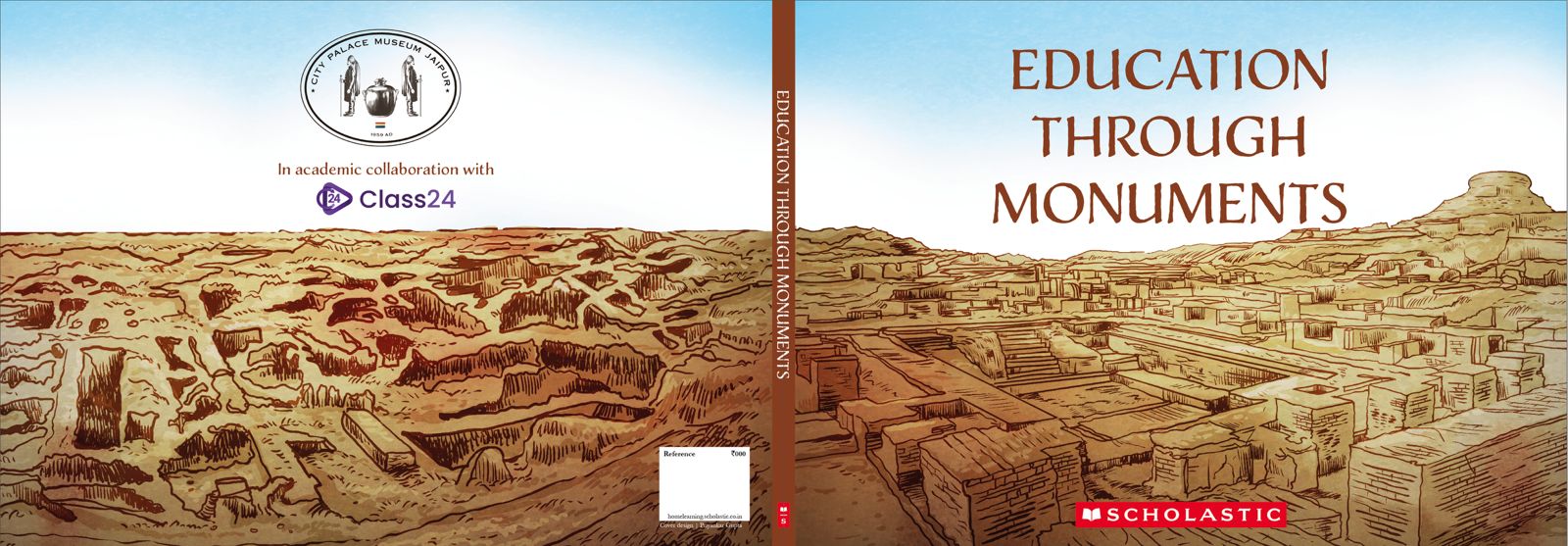
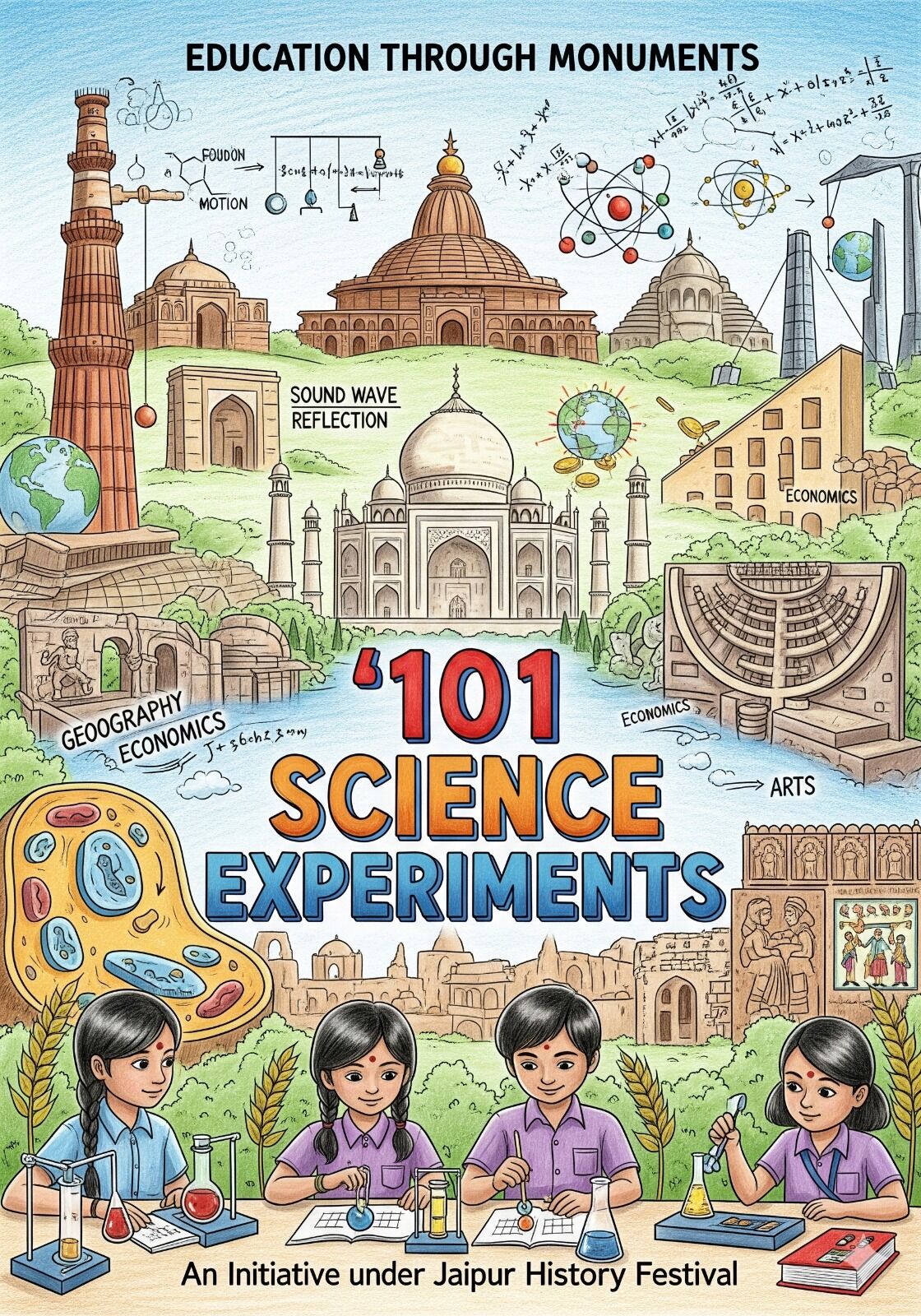
- Education through Monuments 101 experiments resource book for teachers to enrich the learning experience of the students launched.
Unlocking Knowledge Through Heritage
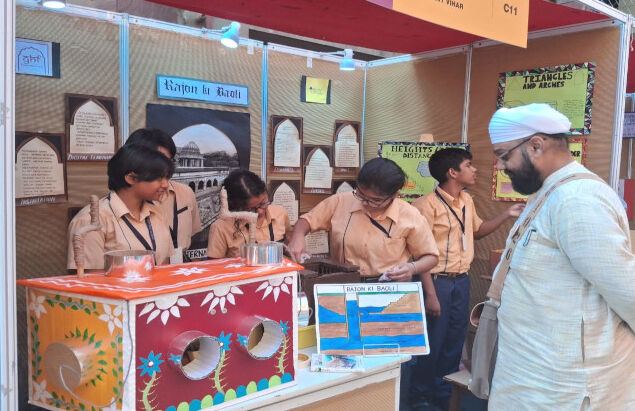
Education Through Monuments is an innovative educational initiative. This groundbreaking program integrates classroom learning with immersive experiences at historical monuments and architectural marvels, providing students with a unique and engaging approach to understanding various academic subjects.
Bridging Academics and Heritage
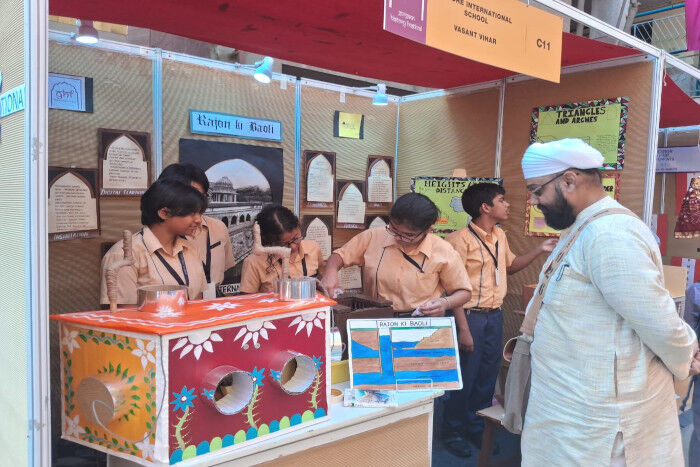
Through this initiative, students explore core subjects such as Mathematics, Science, Business Studies, Economics, Accountancy, and Languages in the context of India's rich historical and architectural heritage. By analyzing monuments of their choice, they uncover the deeper connections between their academic concepts and the real-world applications involved in the construction and functioning of these historical sites.
Hands-On Learning Highlights
- Mathematics: Exploring geometry, sum-angle properties, and measurement concepts through intricate patterns and designs.
- Science: Understanding principles like force and pressure as applied in the engineering and construction of monuments.
- Economics and Business Studies: Delving into the economic and trade dynamics of historical eras that funded monumental projects.
- Languages: Enhancing storytelling, communication, and descriptive skills through the study of inscriptions, writings, and historical narratives.
Engaging and Transformative Experience
- Combine history, science, and engineering into meaningful projects.
- Develop critical thinking by questioning the 'how' and 'why' behind the construction of monuments.
- Gain a practical understanding of theoretical concepts by engaging with real-life structures.
Why Education Through Monuments?
The National Education Policy 2020 emphasizes the integration of arts, crafts, games, languages, literature, heritage, and culture into the curriculum to foster holistic development among learners. It advocates for making education more well-rounded, practical, and fulfilling, encouraging students to apply their knowledge to real-world situations.
This initiative is designed to foster a love for learning, connect academic concepts with the physical world, and cultivate a deep appreciation for India's rich heritage. By bringing education out of the classroom and into the monuments, we empower students to see the world through a multidisciplinary lens.
List of school participating in the Education through Monuments Initiative.
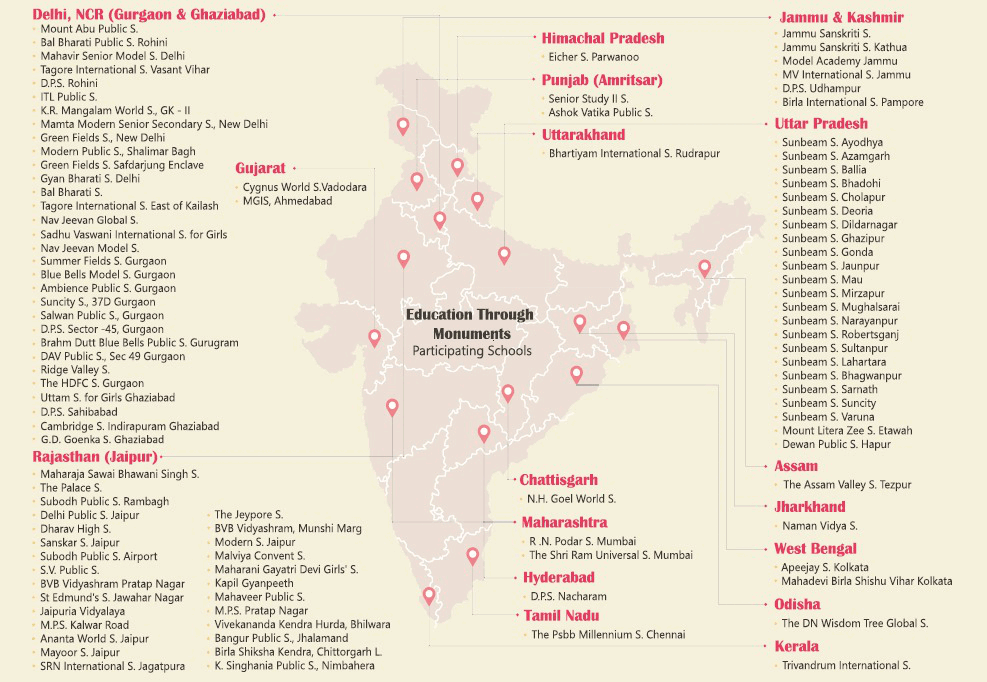
List of cities in which the Education through Monuments festival was conducted
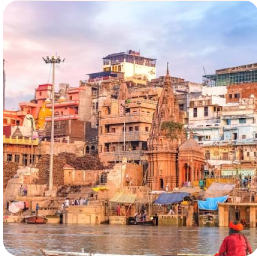
Varanasi
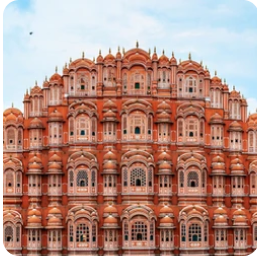
Jaipur
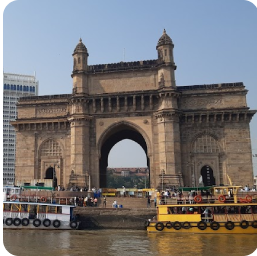
Mumbai
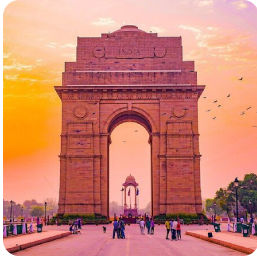
Delhi
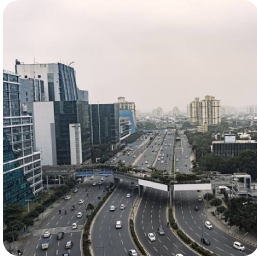
Gurgaon
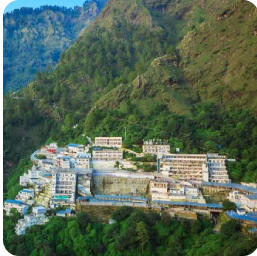
Jammu
Our Gallery