Lead Group
Since 2017 · City Palace, Jaipur

Jaipur Education Festival (JEF)

Welcome to the Jaipur Education Festival (JEF), India’s largest and most celebrated history festival, hosted annually at the iconic City Palace in Jaipur. Organised by the Maharaja Sawai Man Singh II Museum Trust, JEF has been revolutionising the way history is experienced and taught since its inception in 2017.

Dates

1st week of December every year

Venue

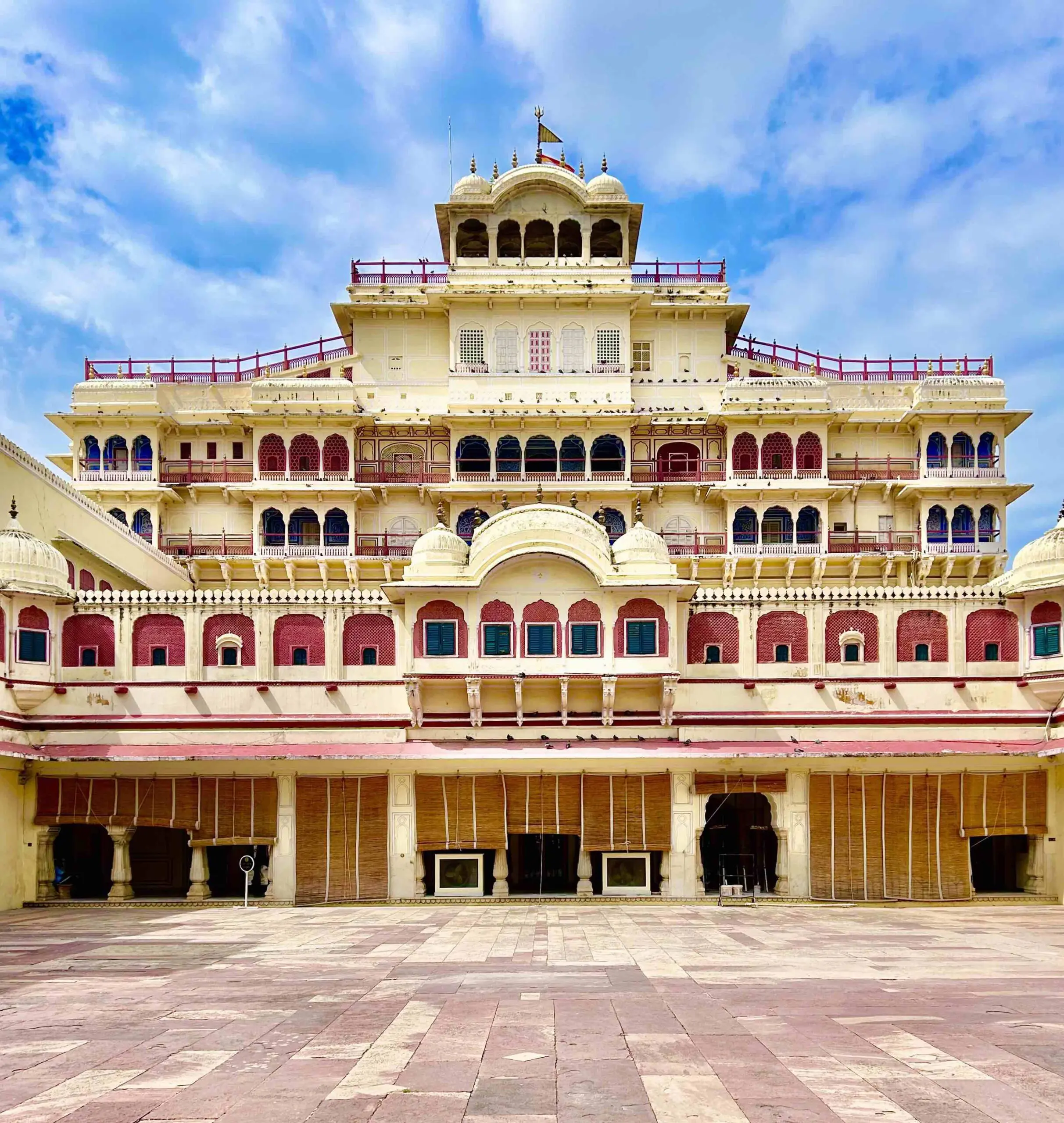
City Palace, Jaipur

About the festival

India’s Largest History Festival

This four-day immersive event is dedicated to fostering innovation, creativity, and inclusivity through experiential learning, making history and culture come alive in a way that is engaging and educational for all.

01

A Legacy of Cultural Immersion

With an emphasis on creativity, critical thinking, and an appreciation of India's rich cultural tapestry, this year’s edition will continue the festival’s mission to make learning meaningful and interactive.

02

A Platform for Education & Cultural Preservation

By bringing together thought leaders, educators, students, and enthusiasts from across the globe, JEF serves as a hub for knowledge exchange and cultural preservation. It exemplifies how education can merge the old with the new, creating a holistic learning experience that equips students with essential life skills for the modern world.

The Jaipur Education Festival is more than just an event; it’s an experience that blends tradition with innovation, offering a deeper connection to India's past while preparing for a more sustainable future.

The festival at the City Palace
City Palace, Jaipur
Themes

JEF Themes (2022 - 2025)

  1. 2022

    Phad se Padh

  2. 2023

    Education through Monuments

  3. 2024

    Financial Literacy through Folk Art

  4. 2025

    Mental Health and Wellbeing

Editions

Year by Year

2023

Education Through Monuments

Unlocking Knowledge Through Heritage

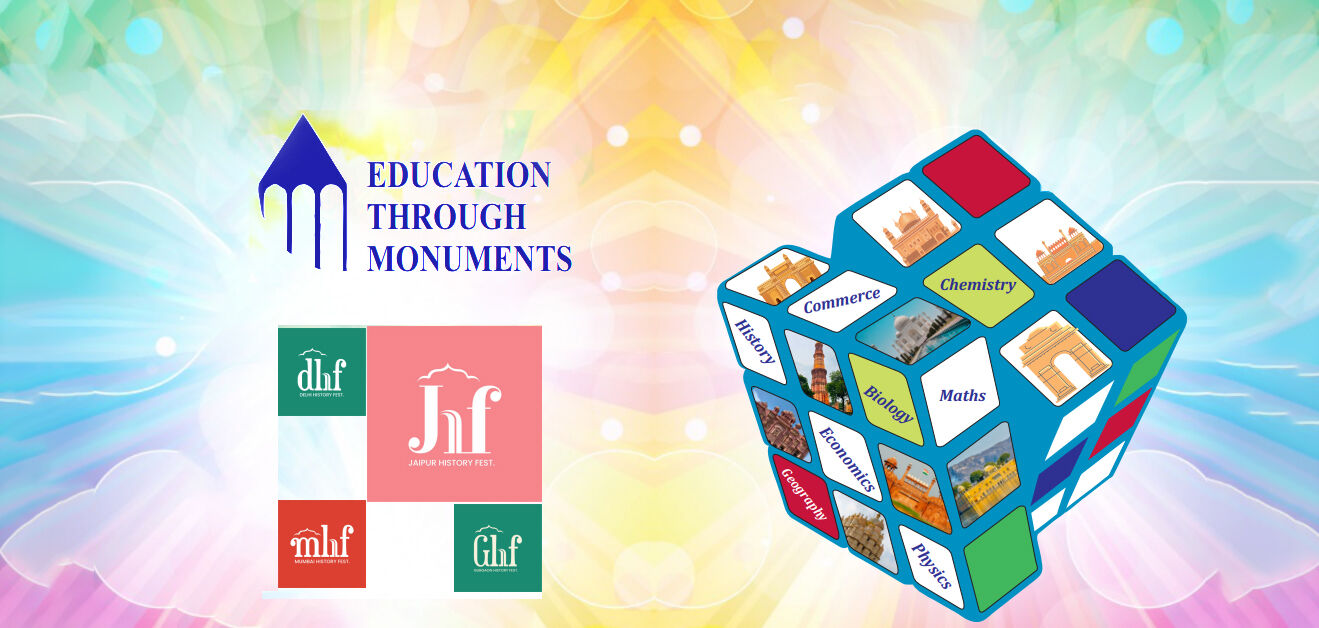
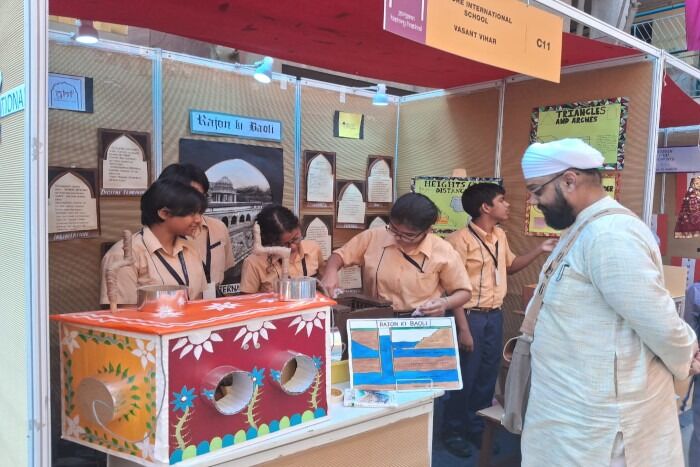
Education Through Monuments is an innovative educational initiative that integrates classroom learning with immersive experiences at historical monuments and architectural marvels.

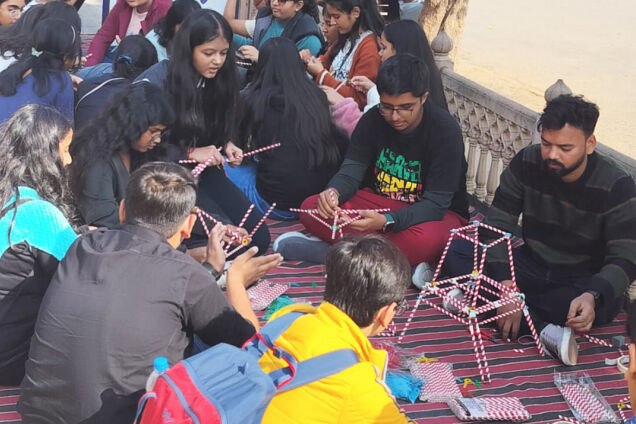
Bridging Academics and Heritage: Students explore subjects like Mathematics, Science, Business Studies, Economics, Accountancy, and Languages by analyzing historical sites and understanding their real-world applications.

Hands-On Learning Highlights:

  • Mathematics: Exploring geometry, angles, and measurements through monument patterns.
  • Science: Applying force and pressure principles from ancient engineering.
  • Economics & Business Studies: Studying trade and funding of monumental eras.
  • Languages: Storytelling through inscriptions and historic narratives.

Why It Matters: Inspired by the NEP 2020, this initiative fosters holistic, practical learning and encourages students to view the world through a multidisciplinary lens.

2024

Financial Literacy Through Folk Art

Blending Tradition with Modern Financial Education

This project integrates financial literacy into education through the charm of folk tales like Panchatantra, Jataka tales, Aesop’s fables, Vikram & Betal, Akbar-Birbal, and others. These stories come alive using traditional Indian folk arts.

Practical Learning Features:

  • Introduce budgeting, saving, and investing through relatable tales.
  • Students analyze needs vs. wants in story contexts.
  • Promote entrepreneurship by incubating student business ideas.

Outcome: This program cultivates critical thinking, financial decision-making, and a strong connection with India’s cultural roots — aligned with the goals of modern education.

2025

Jaipur Education Festival: Introduction

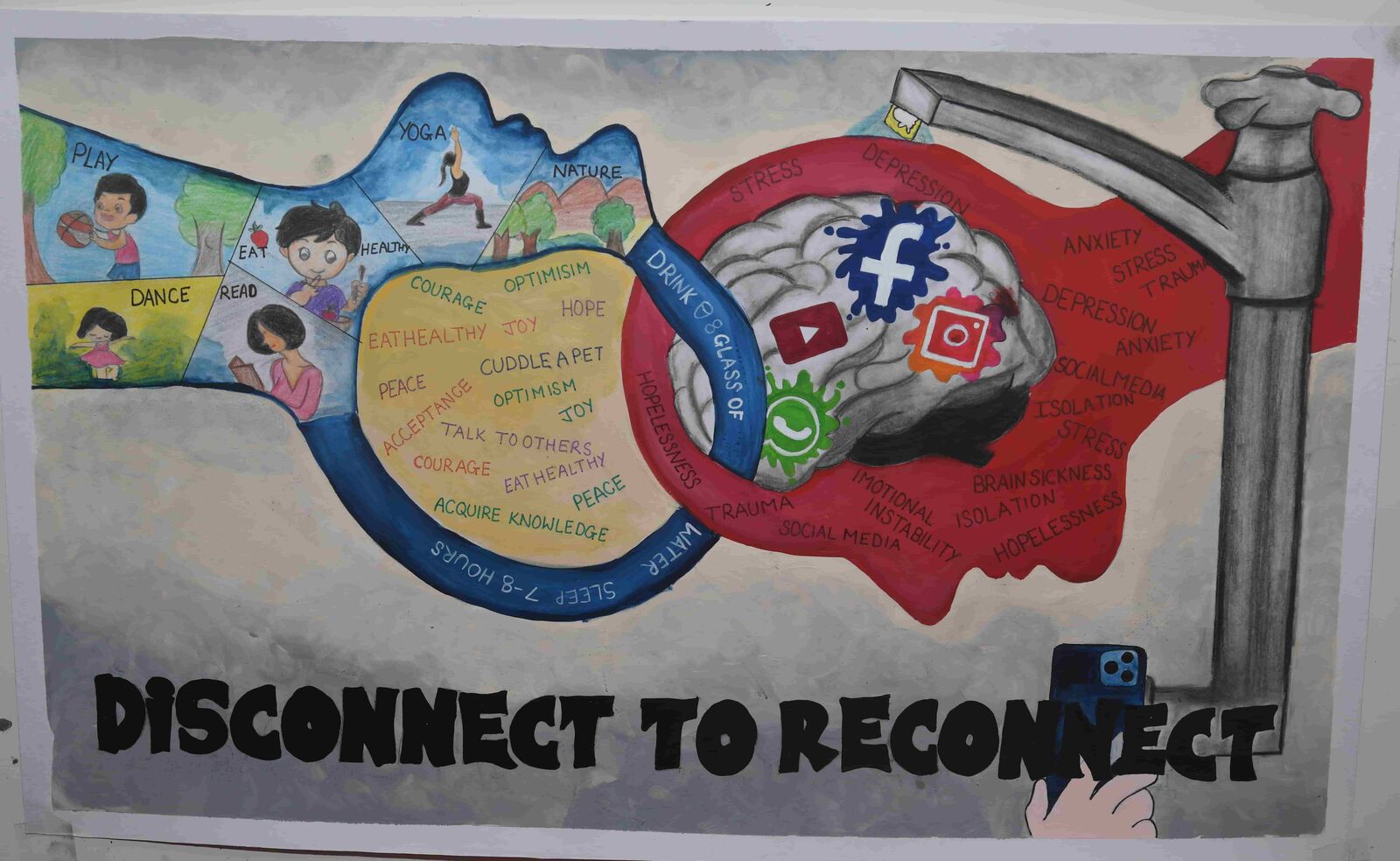
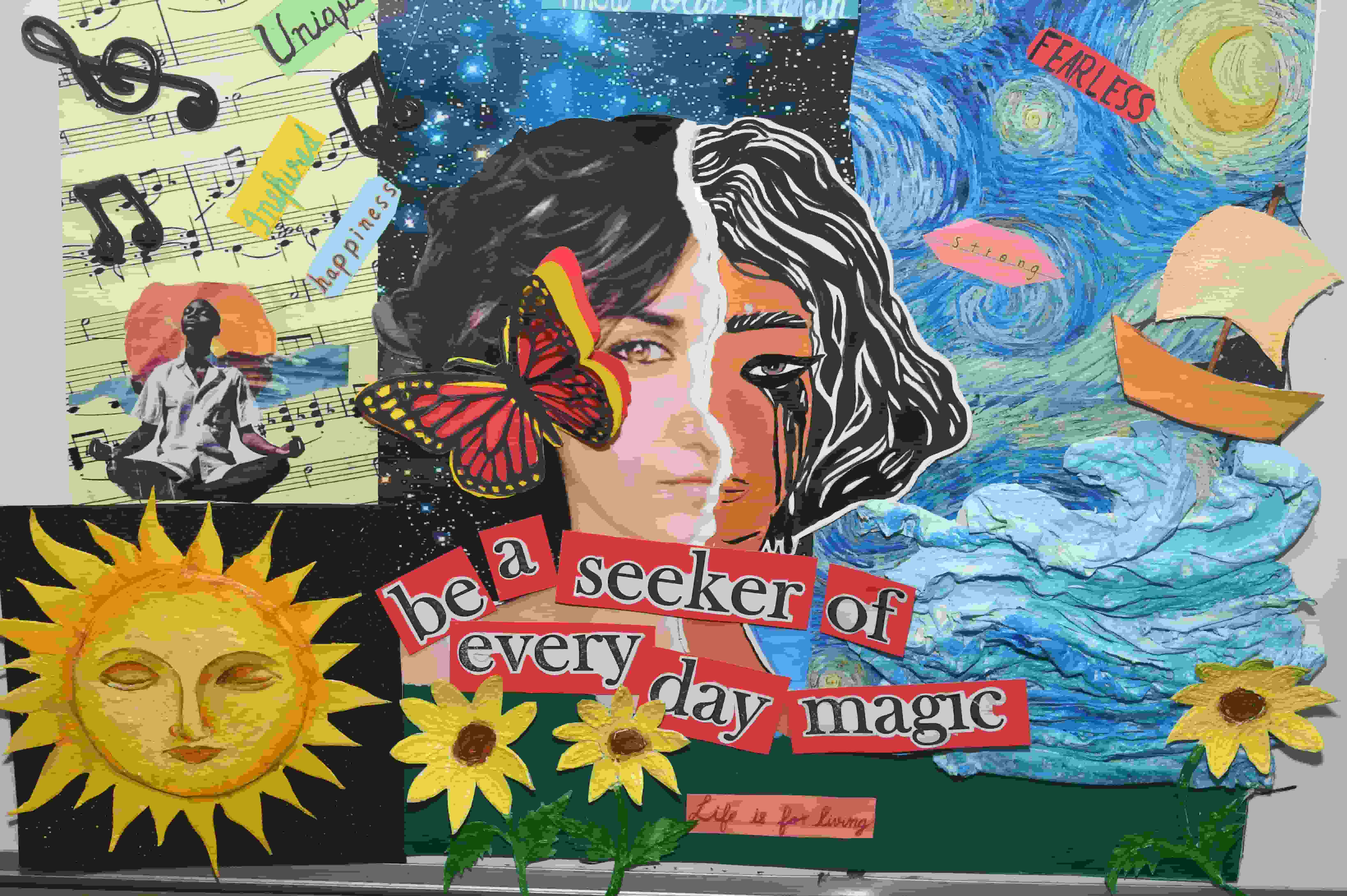
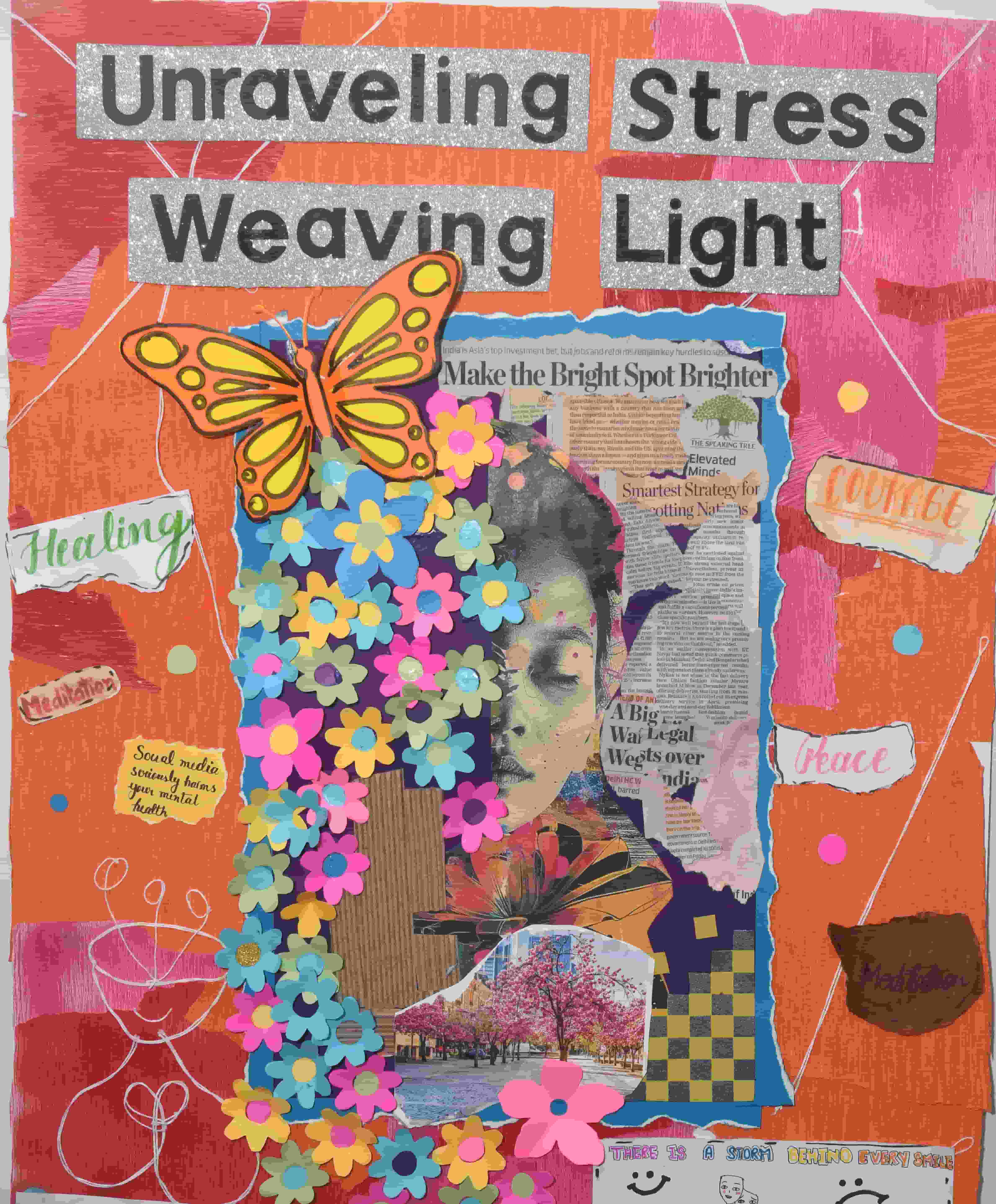
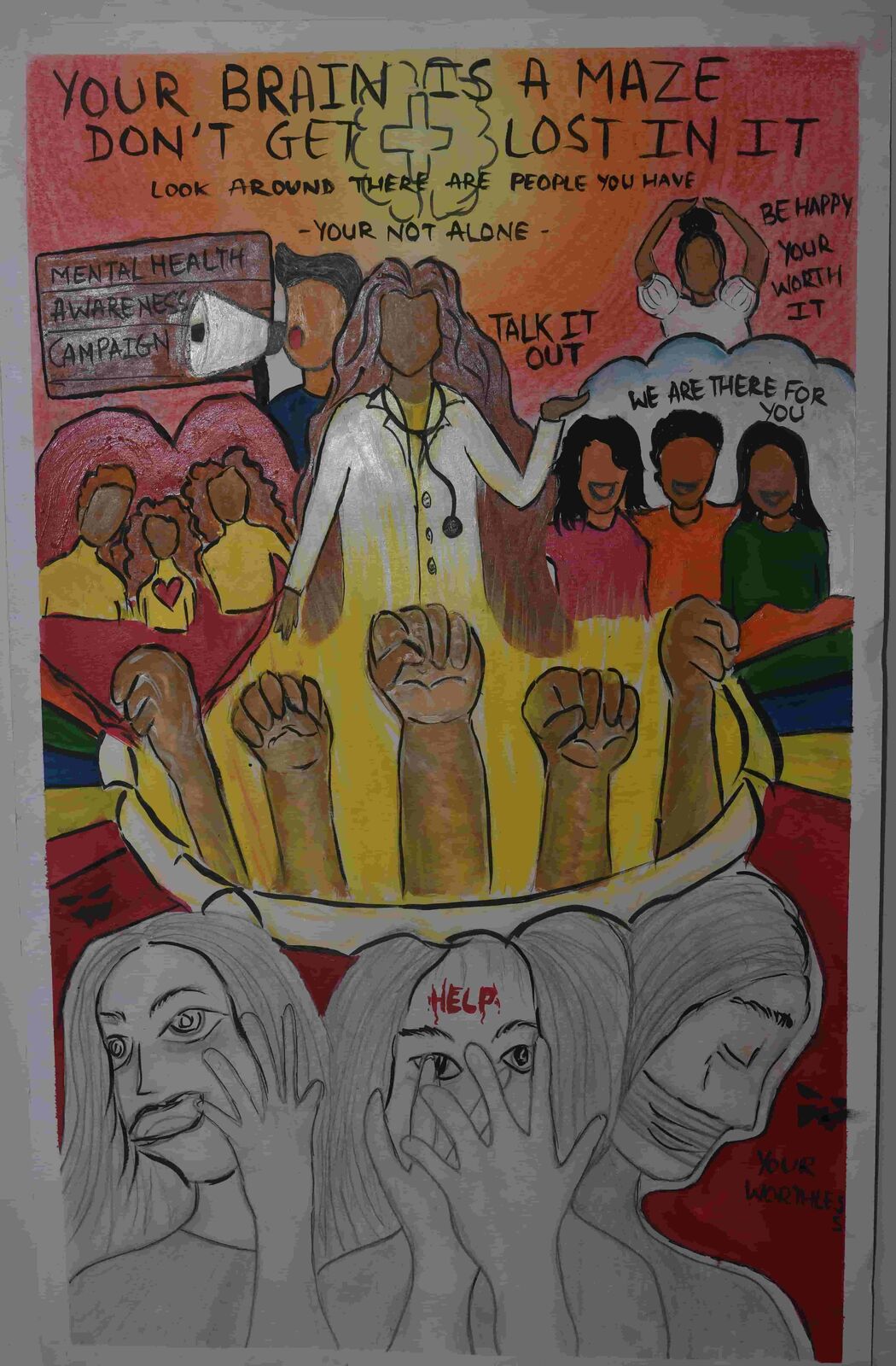
This year’s festival centers on Mental Health and Well-Being, highlighting the need for emotionally safe school environments.

Throughout the year, teachers and students engaged in programs that built awareness, strengthened coping skills, and encouraged healthier responses to stress. Activities ranged from yoga and mindfulness to music, art, dance, aroma, food and pet-based therapies.

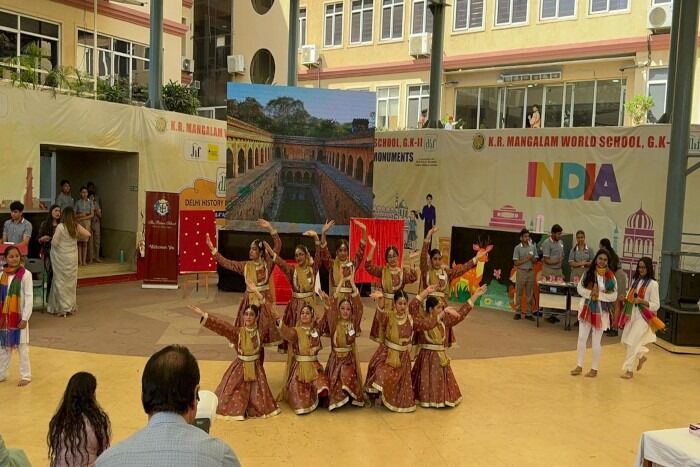
The festival brings these learnings together through performances, installations and creative showcases that reflect the vision of the National Education Policy 2020.


Key Objectives (2025)

  • Support holistic development across the Panch Koshas: physical, emotional, intellectual, social and spiritual well-being
  • Build emotional resilience and mindfulness through experiential learning
  • Encourage joyful, stress-free classrooms aligned with NEP 2020
  • Integrate mental health awareness into regular curriculum and co-curricular work
  • Teach healthy coping strategies through yoga, meditation, art, music and mindfulness
  • Strengthen social and emotional learning with a focus on empathy and self-regulation
  • Equip educators to act as wellness facilitators in their classrooms
  • Promote balanced living, including rest, nutrition, relationships and mindful digital habits
  • Contribute to UN SDGs 3 and 4 on good health and quality education
  • Help schools become well-being ecosystems where students thrive in harmony with body, mind and spirit

National Workshops & Online Sessions

  • Nurturing minds and Building Tomorrow: The critical role of mental well-being in education
  • The Importance of Proper breathing for physical and mental well-being
  • An Introduction to Music Therapy
  • Securing Children's Futures with a Strong Foundation in Mental Health and Well-being
  • From Reacting to Thinking: Helping Students Handle Emotions
  • Exploring Mental Health through Research Reviews: Methods, Insights and Applications
Financial Literacy Through Folk Art

Objectives of Financial Literacy Through Folk Art

Empowering Students with Financial Wisdom Through Stories and Art
  1. 1

    Understanding Financial Basics

    Introduce budgeting, saving, investment, and interest through folk tales for easy real-life application.

  2. 2

    Distinguishing Needs and Wants

    Analyze folk tale scenarios to understand and differentiate needs vs wants for smart decision-making.

  3. 3

    Appreciating the Value of Saving

    Explore narratives emphasizing long-term savings, including concepts like compound interest.

  4. 4

    Learning from Characters’ Decisions

    Evaluate character outcomes in folk tales to teach responsible financial behavior.

  5. 5

    Expressing Financial Concepts Through Art

    Use folk art to express financial ideas creatively, encouraging interpretation and collaboration.

  6. 6

    Building Critical Thinking Skills

    Promote problem-solving using hypothetical financial dilemmas from folk tales.

  7. 7

    Exploring Cultural Values

    Show how culture in folk stories shapes financial behavior—impacting families and communities.

  8. 8

    Promoting Ethical Financial Practices

    Teach values of honesty, integrity, and responsibility through folk narratives.

  9. 9

    Connecting Heritage with Modern Learning

    Link traditional folk tales with modern financial wisdom to make learning relatable.

  10. 10

    Instilling Core Values

    Combine core values with practical skills for ethical and responsible money management.

Why Financial Literacy Through Folk Art?

The National Education Policy (NEP) 2020 identifies financial literacy as a vital skill for nurturing multifaceted learners. In today's rapidly evolving digital landscape, children face increasing exposure to financial risks. It is therefore essential to integrate financial education early in school curricula.

This program blends tradition and modern education by using folk tales to instill financial wisdom in students. Through this approach, students in primary and secondary levels can develop practical financial skills alongside ethical values.

  • Interactive Learning: Storytelling integrated with real-life financial lessons.
  • Cultural Connection: Honors folk art while teaching life skills.
  • Real-Life Impact: Builds foundational money-management habits early on.

Aligned with the National Education Policy 2020

In line with the vision of the National Education Policy (NEP) 2020, this program emphasizes key financial skills such as:

  • Budgeting
  • Saving
  • Differentiating between needs and wants

Empowering Young Minds

Targeting primary and secondary grade students, the project aims to introduce financial literacy at an early age, helping them:

  • Navigate their financial futures responsibly
  • Develop an awareness of potential frauds and scams
  • Grow into financially savvy individuals
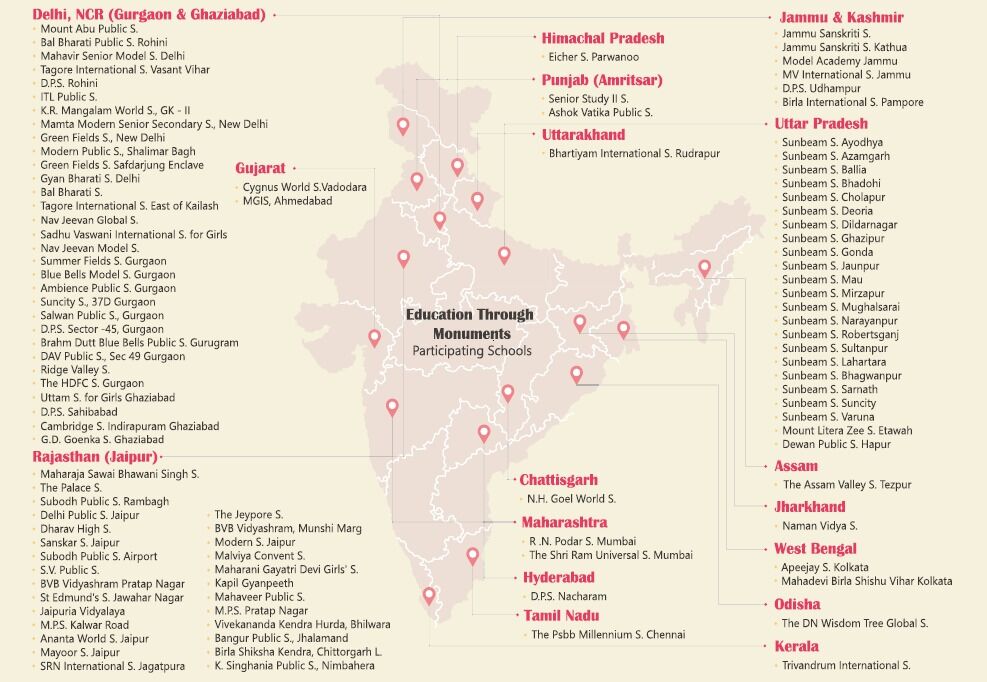
Education through Monuments

Cities Where the Festival Was Conducted

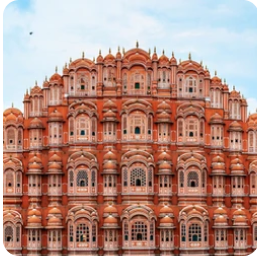
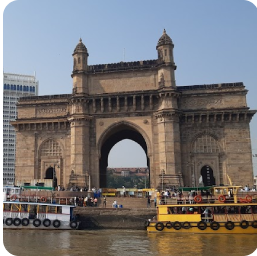
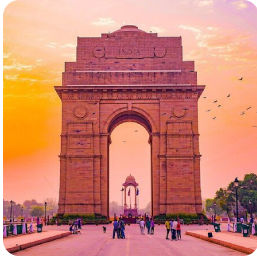
  • Varanasi

    Varanasi

  • Jaipur

    Jaipur

  • Mumbai

    Mumbai

  • Delhi

    Delhi

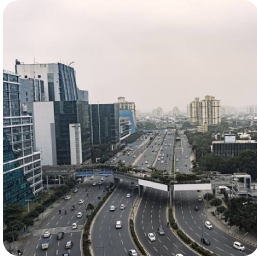
  • Gurgaon

    Gurgaon

  • Jammu

    Jammu

List of schools participating in the Education through Monuments initiative

Map of participating schools
Moments

Gallery

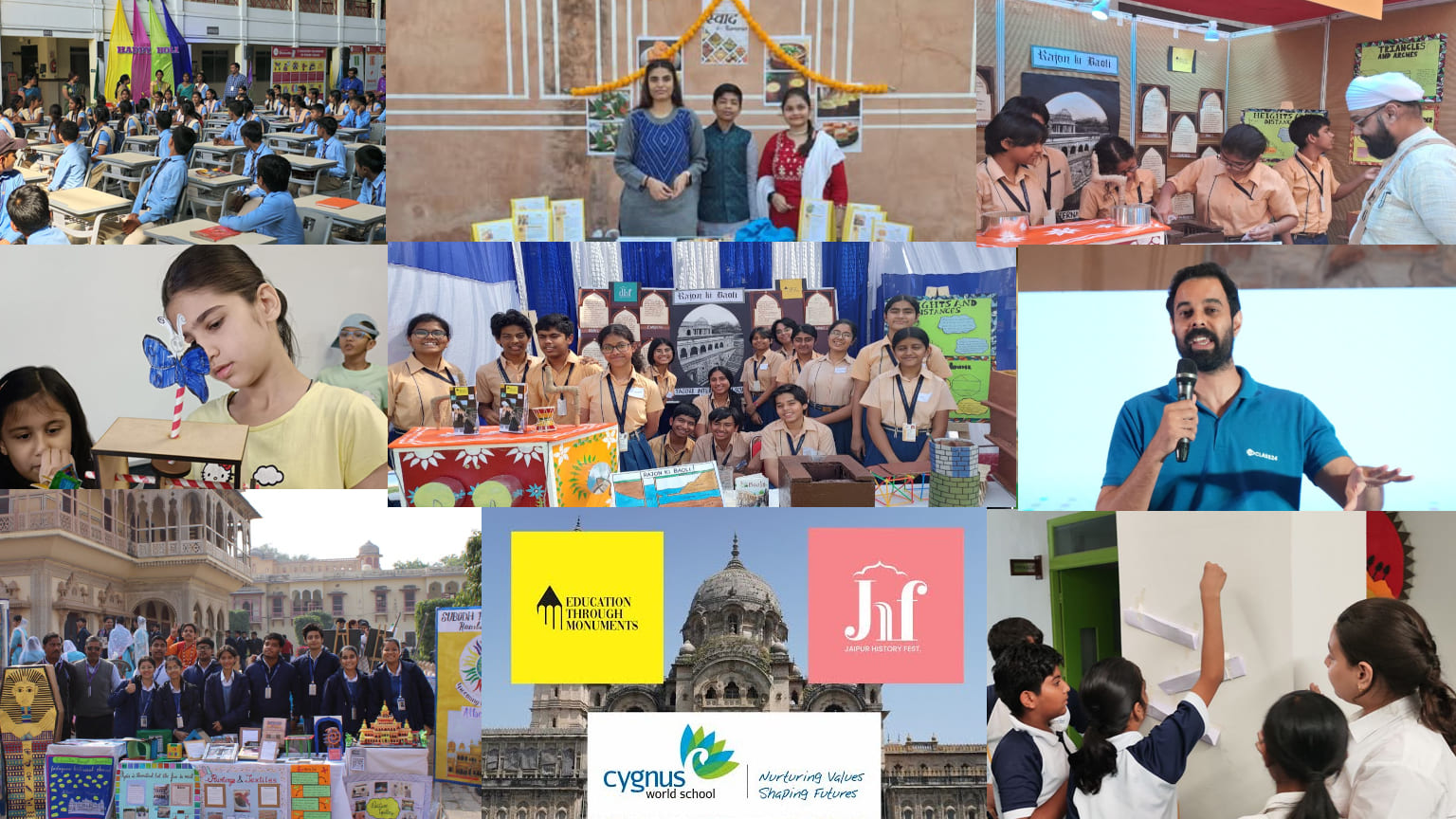
Jaipur Education Festival photo 1
Jaipur Education Festival photo 2
Jaipur Education Festival photo 3
Jaipur Education Festival photo 4
Jaipur Education Festival photo 5
Jaipur Education Festival photo 6
Jaipur Education Festival photo 7
Jaipur Education Festival photo 8
Proud Sponsor

Proud Sponsor: Class24

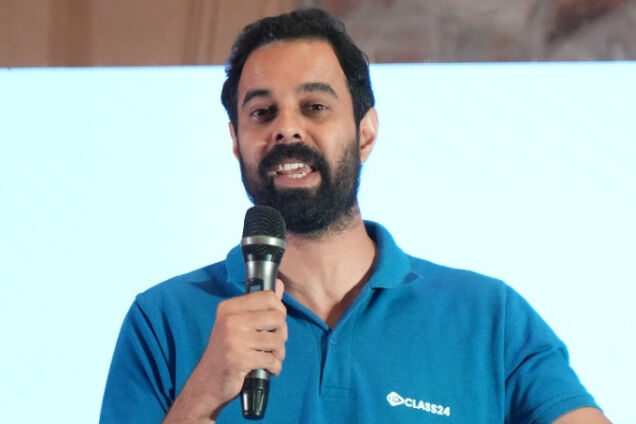
Class24 is a valued sponsor of the Jaipur Education Festival since 2023. Class24 shares the commitment to innovation in education and is dedicated to empowering students with the skills and knowledge needed to thrive in today’s rapidly evolving world.

Our partnership with JEF supports our shared vision of transforming traditional learning experiences through creative and experiential approaches.

Sponsors

  • Class24
  • ICICI Bank
  • Arch College
  • First Maths
  • Sponsor
  • DJSA
  • Methdai
  • Poddar
  • Burger Farm
  • INTACH
For schools

Take Part in the Next Festival

Talk to our team about bringing your school to the Jaipur Education Festival.
Helpline07314621120
Visit us

4th Floor, 307, Landmark, Gautam Marg, opp. pantaloons showroom, Gom Defence Colony, Vaishali Nagar, Jaipur, Jaipur Nagar Nigam Area, Rajasthan 302021

Talk to our team

Call, WhatsApp or email us and we will get back to you.